
Doping & Drugs ·
Riccò’s Tour Ended at the Team Bus
A positive test brought police, expulsion and Saunier Duval’s withdrawal from the 2008 Tour. Riccò later admitted doping and received a two-year ban.
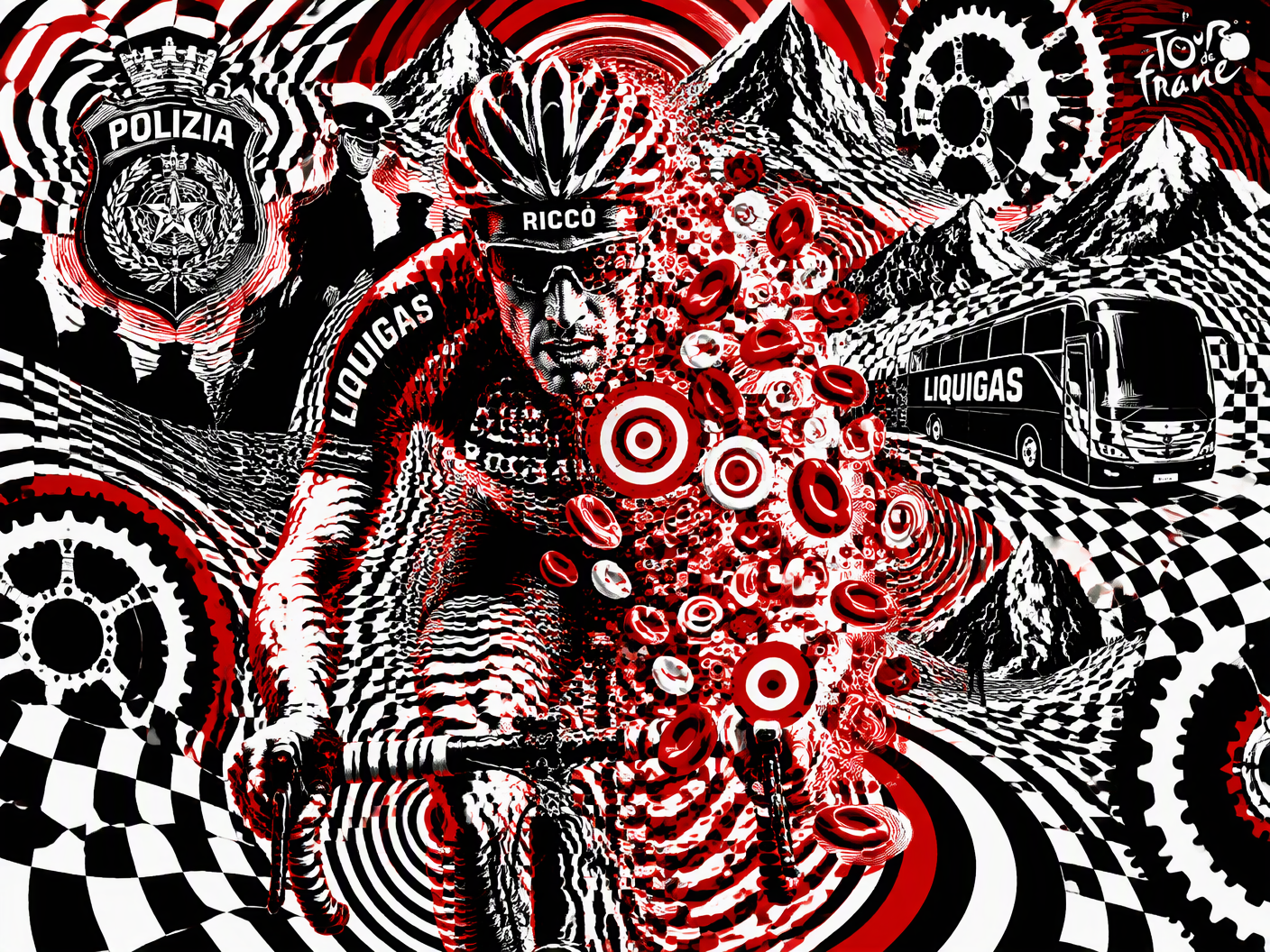
Riccardo Riccò had won two stages of the 2008 Tour de France when police took him off the Saunier Duval team bus. Spectators booed, according to the Associated Press. The Italian climber had tested positive for a banned blood booster and was expelled from the race. Before that day’s stage began, his entire team withdrew.
Riccò tested positive after the fourth stage, a time trial in Cholet. The substance was later identified as CERA, a third-generation version of EPO. Riccò, then 24, was ninth overall and leading both the mountains and young-rider classifications. He had arrived at the Tour after finishing second in the Giro d’Italia, where he had also won two stages. He was the third rider removed from that year’s Tour following a positive drug test.
Riccò had previously come under suspicion over what he described as his naturally high hematocrit level—the proportion of red blood cells in his blood. A high level can suggest EPO use but does not establish it. The positive test brought a different response. “He’s our leader, we can’t act as if nothing happened,” Saunier Duval sporting director Matxin Fernandez told the Associated Press. “We suspend the activities of the team until we know what happened.”
The next day, Saunier Duval dismissed Riccò. Team manager Mauro Gianetti said he had infringed the team’s code of ethics. Tour chief Christian Prudhomme had also challenged Gianetti’s integrity, saying he did not regard the manager as “a model of virtue.” But Prudhomme stopped short of treating the team’s withdrawal as proof of responsibility for the positive test, saying the future would reveal more.
Gianetti denied knowing of doping within the team. He said he was “totally unaware of any doping practices going on” and described the team as a victim despite its reliance on internal and external tests. His denial stood alongside the decision to dismiss Riccò; neither that dismissal nor the withdrawal established who else, if anyone, had known.
Riccò initially denied the doping allegations, then admitted them. He named the doctor who had given him the substance, as well as another rider, in an effort to secure a reduced punishment. On October 2, the Italian Olympic Committee’s national anti-doping tribunal imposed a two-year suspension, exceeding prosecutors’ recommendation of 20 months.
The penalty comprised 18 months for the doping offence and another six months for visiting Carlo Santuccione, a doctor already banned for life from the sport for doping violations. Outside the hearing at the Stadio Olimpico, Riccò said he was disappointed and had expected more understanding. He added: “But I made a mistake and it’s right that I should pay for it now.”