
Scandals & Feuds · 1983
The Motel-Room Death and Jimmy Snuka’s Case That Ended on Competency Grounds
Nancy Argentino died in 1983 after being found injured in a Whitehall Township motel room associated with Jimmy Snuka. Lehigh County later reopened the case, filed homicide charges, and ended the prosecution after a judge found Snuka incompetent to stand trial.
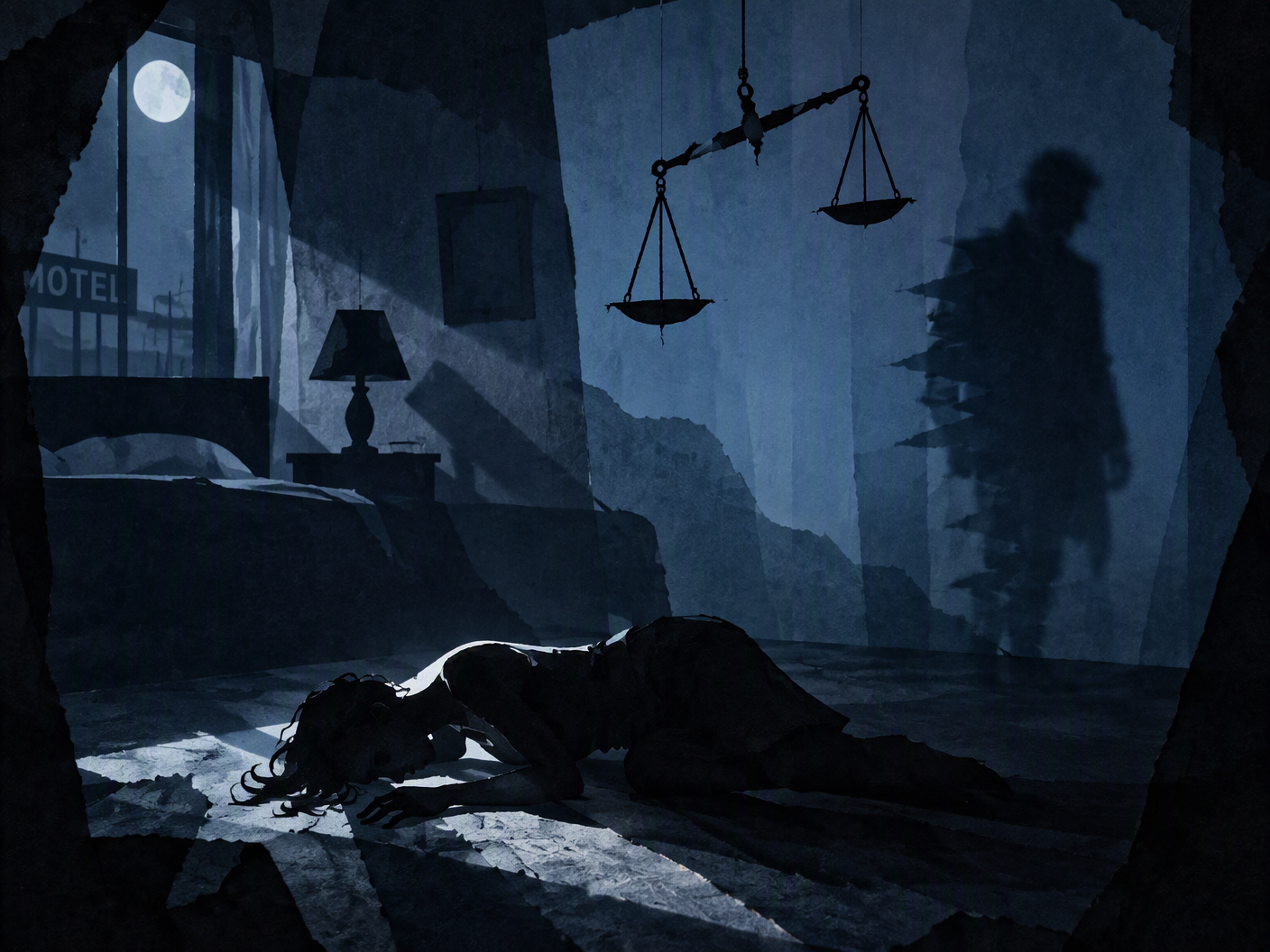
Nancy Argentino was found injured in a room at the George Washington Motor Lodge in Whitehall Township, Pennsylvania, on May 10, 1983. The day had been tied to a WWF television taping. Jimmy Snuka, her boyfriend, was connected to the room. Argentino was later pronounced dead at Sacred Heart Medical Center in Allentown. The event began with a woman injured in a motel room and ended with a death that would remain an open Lehigh County matter for more than three decades.
The autopsy placed the medical fact at the center of the case: Argentino died of traumatic brain injuries. That conclusion gave the death a defined physical cause, but it did not settle the criminal question that would follow. Her name entered the story not as a headline or a statistic, but as the person whose injuries became the subject of a long-delayed prosecution. The room, the relationship, and the brain injuries remained the fixed points while the legal response moved in fits and starts.
Earlier that year, on January 18, Snuka had been arrested in Salina, New York, after an alleged beating of Argentino at a hotel. The arrest was an earlier documented collision between the couple and the law. It did not decide what happened months later in Pennsylvania. By May, Argentino was dead, and the criminal question attached to her injuries would outlast the people and institutions that first handled the case.
The matter did not move directly from the motel to a courtroom. It remained open. On June 28, 2013, Lehigh County District Attorney James Martin announced a review of the case. The old death returned to the office of a prosecutor who had not been present when Argentino was found or when she was pronounced dead. Martin's decision turned a dormant investigation into an active question for a new generation of investigators and attorneys.
The review led to formal charges in September 2015. Snuka was arrested and charged in Lehigh County with third-degree murder and involuntary manslaughter. The counts transformed a decades-old death into a current criminal prosecution. The defendant was no longer only the professional wrestler remembered from television; he was now standing in court against charges carrying the weight of a woman's death and injuries sustained in a Pennsylvania motel room.
Snuka pleaded not guilty. That plea put the case into contested criminal litigation and left the prosecution responsible for proving its charges in court. The years between the motel death and the arrest had produced a long public shadow, but a criminal case still required a proceeding, witnesses, legal arguments, and a decision. None of that could be replaced by the passage of time or by the fame of the accused.
The decisive turn came on June 1, 2016, at the Lehigh County Courthouse in Allentown. Judge Kelly Banach found Snuka incompetent to stand trial. The ruling addressed his present ability to understand the proceedings and assist his counsel. It was not a verdict on the homicide allegations. The court had reached a judgment about whether the defendant could participate in a trial, not whether he had criminally caused Argentino's death.
That distinction controlled what happened next. The charges did not proceed to a jury. There was no trial in which the prosecution's case could be tested against a defense case, and no verdict resolving the events of May 10, 1983. The courtroom had produced a ruling, but it was a ruling about competency. The central question had survived the reopening of the investigation and the filing of the charges without reaching the merits.
On January 3, 2017, Banach dismissed the homicide charges against Snuka. The Lehigh County criminal proceeding ended there. The dismissal followed the incompetency ruling and closed the case without a conviction or acquittal. It did not determine that Argentino had not been harmed, and it did not determine who criminally caused her death. It ended the prosecution because the court could not bring the defendant to trial.
For Argentino, the consequence had come in 1983, when traumatic brain injuries ended her life after she was found in the motel room. For Snuka, the later consequence was an arrest, two homicide charges, a not-guilty plea, and a competency ruling that prevented a trial. For Lehigh County, the old case moved from an open file to renewed review, then to prosecution, then back into legal silence. The last court action was a dismissal entered on January 3, 2017. The trial never began.
Investigative Dossier & Evidence
Read the companion investigation notes, verified source claims, and primary documents.
Read the Companion Notes & Evidence Record →