
Scandals & Feuds · 1990s
The Pell Grant Fraud and Booster Benefits That Put Miami Football Under NCAA Sanction
University of Miami’s compliance crisis began with fraudulent financial aid in the early 1990s and resurfaced through a booster-benefits investigation that affected player eligibility. The NCAA ultimately cleared one player, ruled that twelve others received impermissible benefits, and imposed probation and scholarship losses on the program.
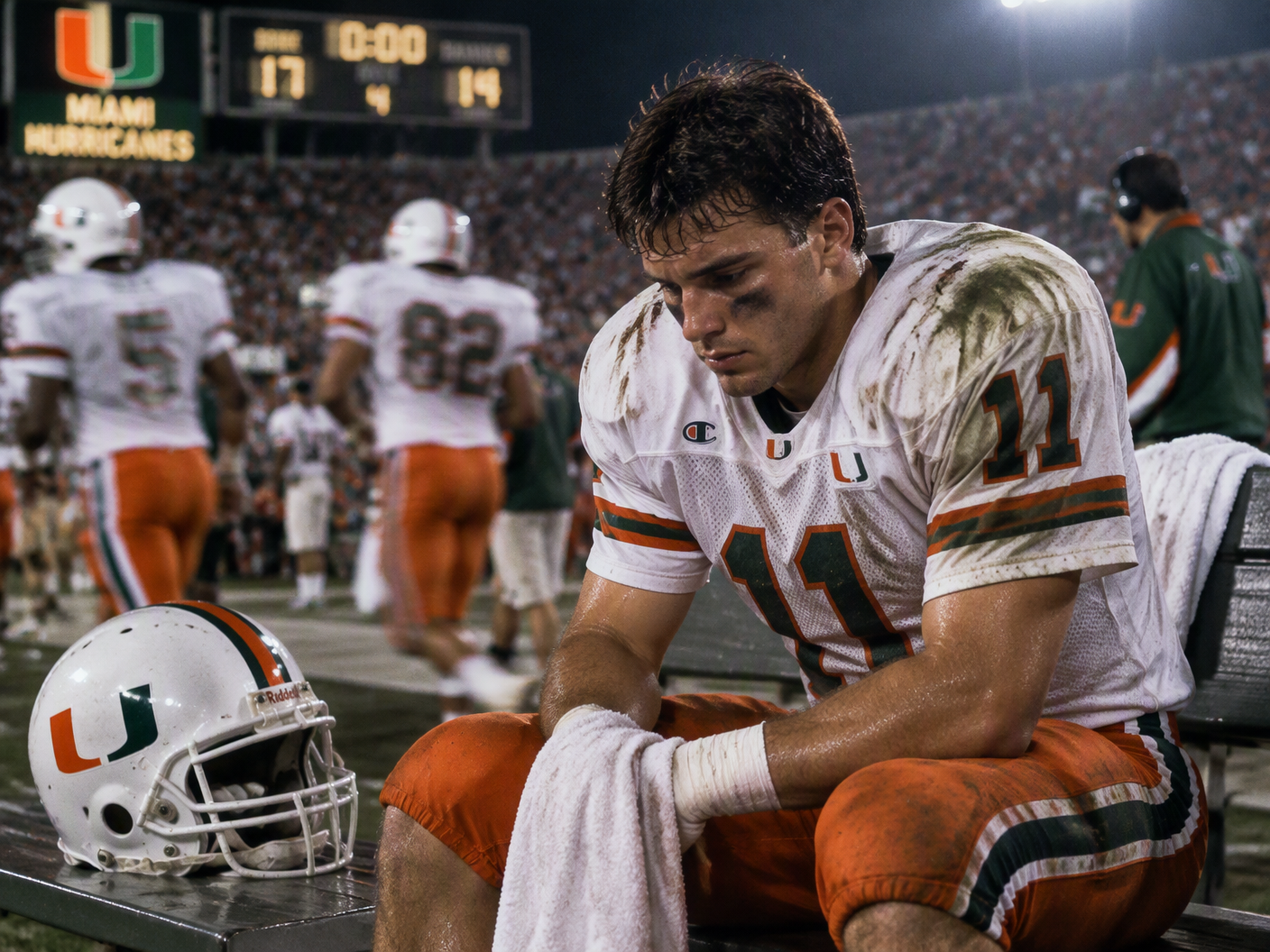
The first documented breach occurred before the booster whose name later dominated the investigation had entered the story. From 1989 through 1992, Tony Russell, a University of Miami academic advisor, helped football players and other scholarship athletes obtain more than $220,000 through fraudulent Pell Grant applications. The money was presented as educational aid, but the applications had been falsified. In 1994, Russell pleaded guilty in federal court to helping carry out the scheme. The conviction established an early pattern: access to athletic scholarships and academic administration could be converted into improper financial benefit.
Russell’s role mattered because it was operational, not symbolic. An academic advisor occupied the point where athletes, financial-aid forms, and institutional eligibility intersected. By helping falsify applications, he did not merely violate a university procedure; he altered the financial terms under which scholarship athletes attended college. The amount—more than $220,000 across several years—made the episode a sustained practice rather than an isolated clerical offense. Russell’s 1994 guilty plea supplied a criminal judgment for that conduct, while Miami’s broader compliance history continued beyond the case that sent him into court.
The later investigation began with a different kind of financial actor. Nevin Shapiro was a Miami booster and a former securities defendant whose business dealings brought him into New Jersey criminal proceedings. On April 21, 2010, prosecutors charged him with securities fraud and money laundering. In August, he was described publicly as having run a Ponzi scheme, and he began hinting at NCAA rules violations involving Miami. The allegations shifted attention from falsified aid applications to the benefits a wealthy supporter may have provided athletes outside the university’s approved channels.
Shapiro’s own criminal case reached a formal resolution on September 15, 2010. He pleaded guilty to one count of securities fraud and one count of money laundering. Those pleas established his criminal liability in New Jersey. They did not, by themselves, adjudicate every claim about Miami athletes or determine the motive behind his statements about the program. The distinction became important as the sports investigation widened: a guilty plea in a financial case created a documented basis for scrutiny, but the NCAA still had to decide which benefits existed, who received them, and what penalty each player warranted.
The booster-benefit allegations entered the eligibility process in 2011. On August 25, media reports indicated that Miami had declared as many as thirteen current football players ineligible. The university’s action converted a question about past conduct into an immediate athletic consequence. Players who had practiced, traveled, or prepared to compete now faced the possibility that their participation violated NCAA rules. The number also revealed the scale of the review: investigators were not examining one disputed transaction involving one athlete, but a group of players whose eligibility could turn on the value and character of benefits attributed to them.
Five days later, the NCAA separated the cases. On August 30, the governing body cleared Marcus Robinson, allowing him to remain eligible. The other twelve players under review were found to have received impermissible benefits. That ruling replaced the broad public question—how many Miami players were implicated—with individual determinations. Robinson was not treated as part of the violation. The remaining players were. Eligibility was therefore not decided by association with the booster or by the number of names circulating publicly, but through the NCAA’s findings about benefits received.
The NCAA also drew a line between a violation and the punishment attached to it. Four of the twelve players had received benefits worth less than $100. They were not suspended. Instead, their eligibility could be restored after they completed restitution requirements. The decision made the dollar value consequential without treating the benefit as permissible. A small payment could still violate NCAA rules; it did not necessarily produce the same competitive penalty as a larger one. The players’ immediate future depended on restitution, while the governing body preserved a formal finding of impermissible conduct.
That structure also exposed the limits of the public narrative around Shapiro. His arrest, financial prosecution, and guilty pleas were established events. His hints about NCAA violations helped propel scrutiny, but they did not prove a retaliatory motive toward Miami coach Randy Shannon or establish the full scope of any alleged network of benefits. The NCAA’s later eligibility decisions rested on its own process. It cleared Robinson, found benefits involving twelve other players, and applied different consequences according to the amounts and restitution completed.
The case then moved from player eligibility to institutional responsibility. On October 22, 2013, the NCAA announced sanctions against Miami and four former coaches. The athletic program received three years of probation. The football program also lost nine scholarships distributed across the 2014, 2015, and 2016 seasons. Scholarship reductions affect roster construction long after an investigation has left the headlines: they limit the number of athletes a program may recruit and can reshape competitive plans across multiple recruiting cycles. The sanction therefore reached beyond the players initially examined.
The timeline had begun with an academic advisor manipulating federal grant applications and moved through a booster’s criminal conviction into the NCAA’s separate enforcement system. Each stage used a different authority. Federal prosecutors secured Russell’s guilty plea and later prosecuted Shapiro for securities fraud and money laundering. Miami declared players ineligible while the inquiry developed. The NCAA restored one player’s status, identified twelve impermissible-benefit cases, allowed four to return after restitution, and later punished the program and four former coaches. The same scandal produced different findings because criminal law and athletic eligibility regulate different conduct.
What remained after the sanctions was not a single criminal verdict covering every allegation. The established outcomes were narrower and more concrete: Russell pleaded guilty over fraudulent Pell Grant applications; Shapiro pleaded guilty to securities fraud and money laundering; the NCAA issued player-level eligibility decisions in 2011; and the association imposed probation and scholarship losses in 2013. Miami’s compliance history was therefore measured through separate acts, separate authorities, and separate consequences. The program’s exposure did not depend on proving every public claim. The NCAA’s findings were sufficient to reduce scholarships and place the athletic department under three years of probation.
Investigative Dossier & Evidence
Read the companion investigation notes, verified source claims, and primary documents.
Read the Companion Notes & Evidence Record →