
Tragedy ·
A Fatal Crush Outside Cairo’s Air Defense Stadium
Before Zamalek played ENPPI in February 2015, fans died in a crowd stampede after police reportedly used tear gas. Competing accounts of restricted entry and attempted forced entry remained unresolved as Egypt ordered investigations and suspended domestic matches.
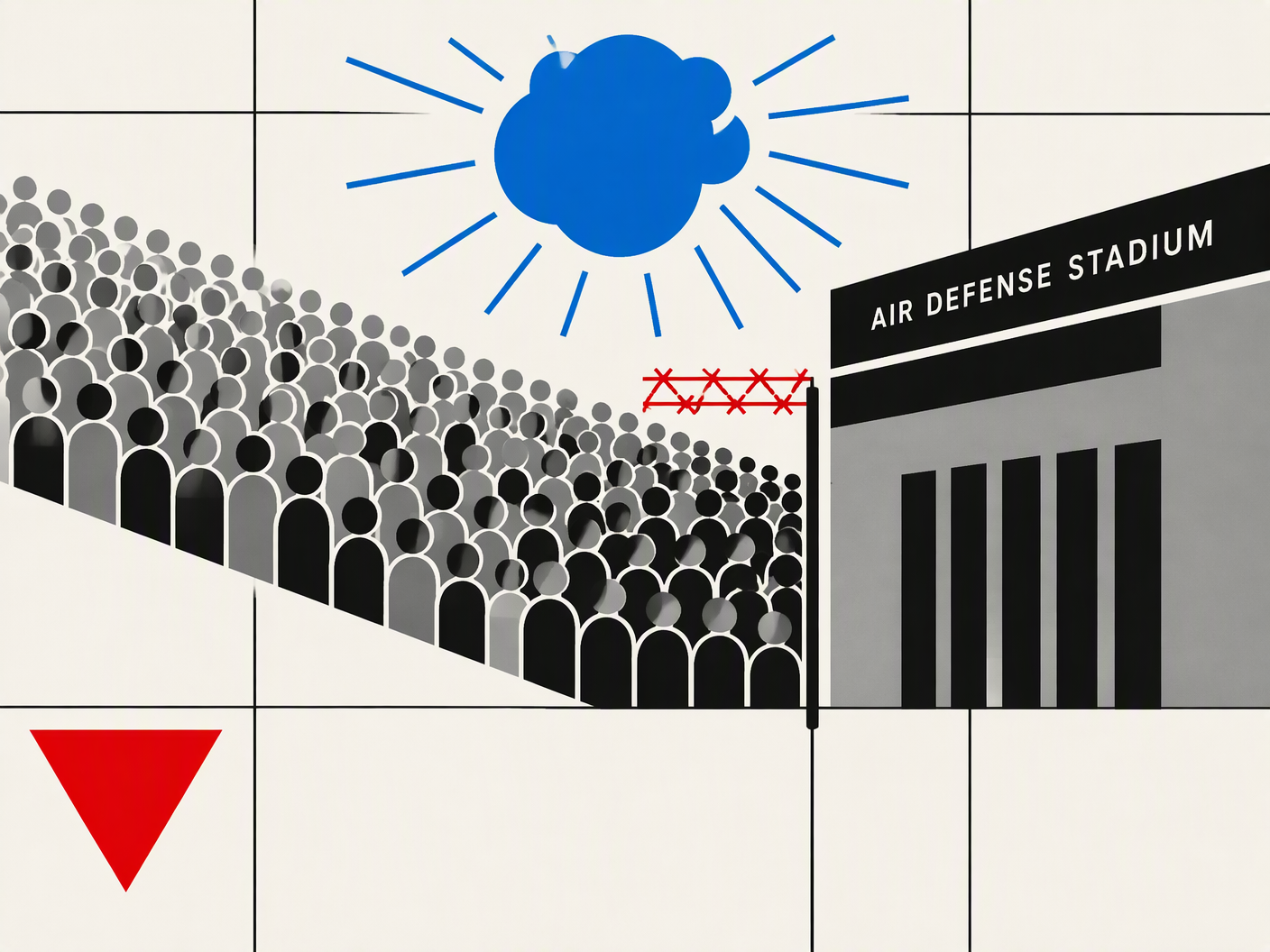
Before Zamalek played ENPPI on February 8, 2015, a crowd outside Cairo’s Air Defense Stadium became a fatal crush. Doctors and witnesses said most of those killed suffocated as the crowd stampeded after police used tear gas. What had brought the supporters and police into confrontation was disputed from the outset: security officials described an attempt to enter without tickets; supporters described a dangerously restricted entrance.
The match was being held under limits on attendance. Egypt had reduced the number of people allowed into stadiums after more than 70 people were killed at a match in Port Said in 2012. According to security officials quoted in Associated Press reporting, the Interior Ministry planned to admit only 10,000 fans to Air Defense Stadium, which could hold about 30,000.
Security officials said Zamalek supporters tried to force their way into the match without tickets. The Interior Ministry said more than 10,000 people without tickets had tried to enter and attributed the deaths and injuries to a stampede. The cabinet, announcing an indefinite suspension of league competition, said Zamalek’s fans had failed to follow the safety procedures required to enter the ground.
The Ultras White Knights, a Zamalek supporters’ group, gave a different account on its Facebook page. It said authorities had opened only one narrow, barbed-wire entrance, prompting pushing and shoving before police fired tear gas and birdshot. In another statement, the group said most victims had been trapped inside a metal enclosure installed at the grounds the day before the match. The initial cause was not immediately clear.
A fan who had tried to attend told the AP that police firing tear gas at the packed crowd caused the stampede. The witness spoke anonymously for fear of being targeted by police. A medical source at Ahli Bank Hospital, which received 14 bodies, also linked the deaths to suffocation and the stampede. “They died of suffocation and stampede after being tear-gassed,” the source told Ahram Online.
Even the number of dead remained contested in the immediate aftermath. A health ministry spokesman described 19 as the final toll, while the public prosecutor’s office reported 22. The Ultras White Knights claimed “28 martyrs till now” on Facebook. Al-Ahram’s Arabic news website reported at least 30. Those figures were competing reports, not an agreed count.
The public prosecutor ordered an investigation, and the government ordered a probe into the deaths. President Abdel Fattah al-Sisi’s office said the inquiry was intended “to uncover the root causes” of the violence. The announcements did not resolve the competing accounts of responsibility.
Families of the dead were to be offered 25,000 Egyptian pounds each in compensation. The Egyptian Football Association postponed all domestic matches indefinitely. In its statement after the deaths, the federation said it would meet the concerned parties after three days of mourning to discuss resuming football.