
Doping & Drugs ·
The Positive Test That Took Wu Yanyan Out of Sydney
A May 2000 test at China’s Olympic qualifier preceded a four-year ban. The B-sample test was still pending when FINA discussed the case in July, and Wu continued to deny taking drugs.
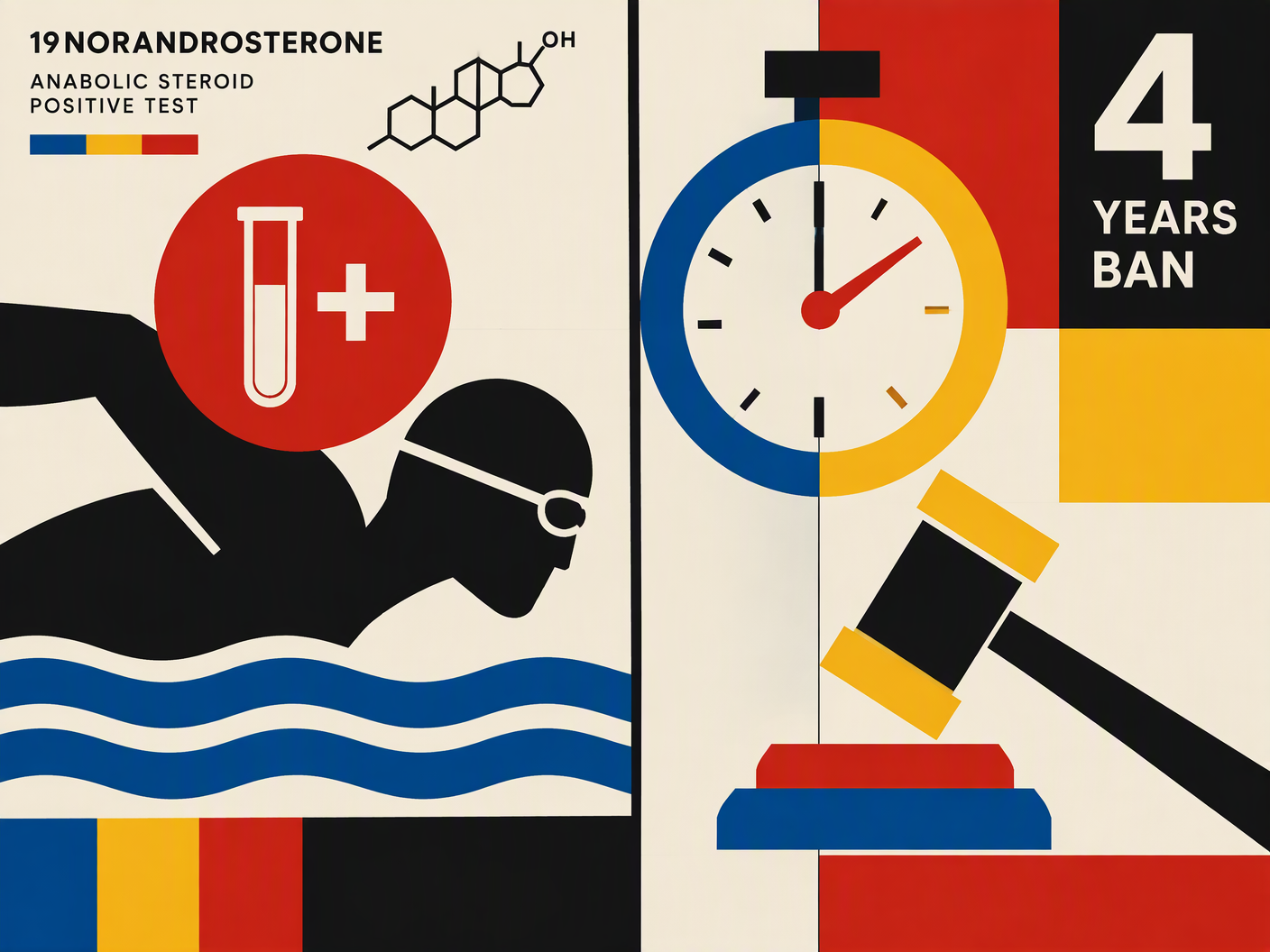
Wu Yanyan’s route to the Sydney Olympics ended after a test at the competition used to select China’s team. At the national championships and Olympic qualifier in Jinan in May 2000, the women’s 200-metre individual medley world-record holder tested positive for the anabolic substance 19Norandrosterone, according to Chinese swimming officials and FINA, the sport’s international governing body.
The Chinese Swimming Association notified FINA on June 8. When FINA director Cornel Marculescu discussed the case on July 13, it was still continuing, with the result of the B, or second, sample test yet to come. An anabolic-steroid offence carried a minimum four-year ban, which would keep Wu out of Sydney if the positive test was confirmed.
A report published July 15 quoted association vice chairman Zhang Qiuping as saying that Wu had been suspended pending a hearing and that the association would decide her punishment the following week.
China banned Wu for four years in July and removed her from the Olympic team. She had won the 200-metre individual medley at the 1998 world championships in Perth and was expected to be a key member of China’s squad; her removal was described as a blow to its medal hopes.
Chinese swimming officials presented the case as evidence of their willingness to act against a prominent athlete after repeated doping scandals. Speaking to reporter Tan Ee Lyn in Beijing that August, Zhang said the Chinese authorities had detected the positive test themselves. “We found this out ourselves and we will punish her ourselves,” he said. “As for punishment, we will not give any consideration no matter how special the athlete is.”
Wu did not accept the judgment. As of an August 18 report, she insisted that she was clean and planned to sue the national swimming authorities over the ban.