
Point Shaving & Fixes · 1990s
The £135,000 Match-Fixing Allegation and the Qayyum Inquiry
Australian cricketers Tim May and Shane Warne said Salim Malik offered them money to play badly during the 1994 Karachi Test. The later Qayyum Commission found Malik guilty of match-fixing and recommended a life ban; it made a separate life-ban recommendation for Ata-ur-Rehman.
Shane Warne returned from Salim Malik’s hotel room after about 10 minutes, Tim May told the inquiry. May said Malik had offered each of them £135,000 to play badly during the 1994 Pakistan-Australia Test in Karachi. That was May’s account of an alleged approach, not an independent observation of what happened inside the room. But it gave the allegation a precise proposed exchange: money for deliberately reduced performance.
The account did not produce an immediate institutional resolution. Warne and Mark Waugh had admitted accepting money from a bookmaker in a separate 1994 Sri Lanka series matter, complicating the disciplinary context around the Australian players’ evidence. The reported timeline says Pakistan’s supreme court cleared Malik in October 1995 because of confusion over the evidence offered by May and Warne. The allegation remained in dispute, rather than becoming a settled finding.
The case returned through Pakistan’s cricket administration. In September 1998, the Pakistan Cricket Board found Malik, Wasim Akram, and Ijaz guilty of match-fixing before sending its findings to judicial authorities. That same year, the Justice Qayyum Commission was appointed to investigate betting and match-fixing allegations against the Pakistan cricket team. The matter had moved beyond the original exchange of testimony and into an inquiry with a broader mandate.
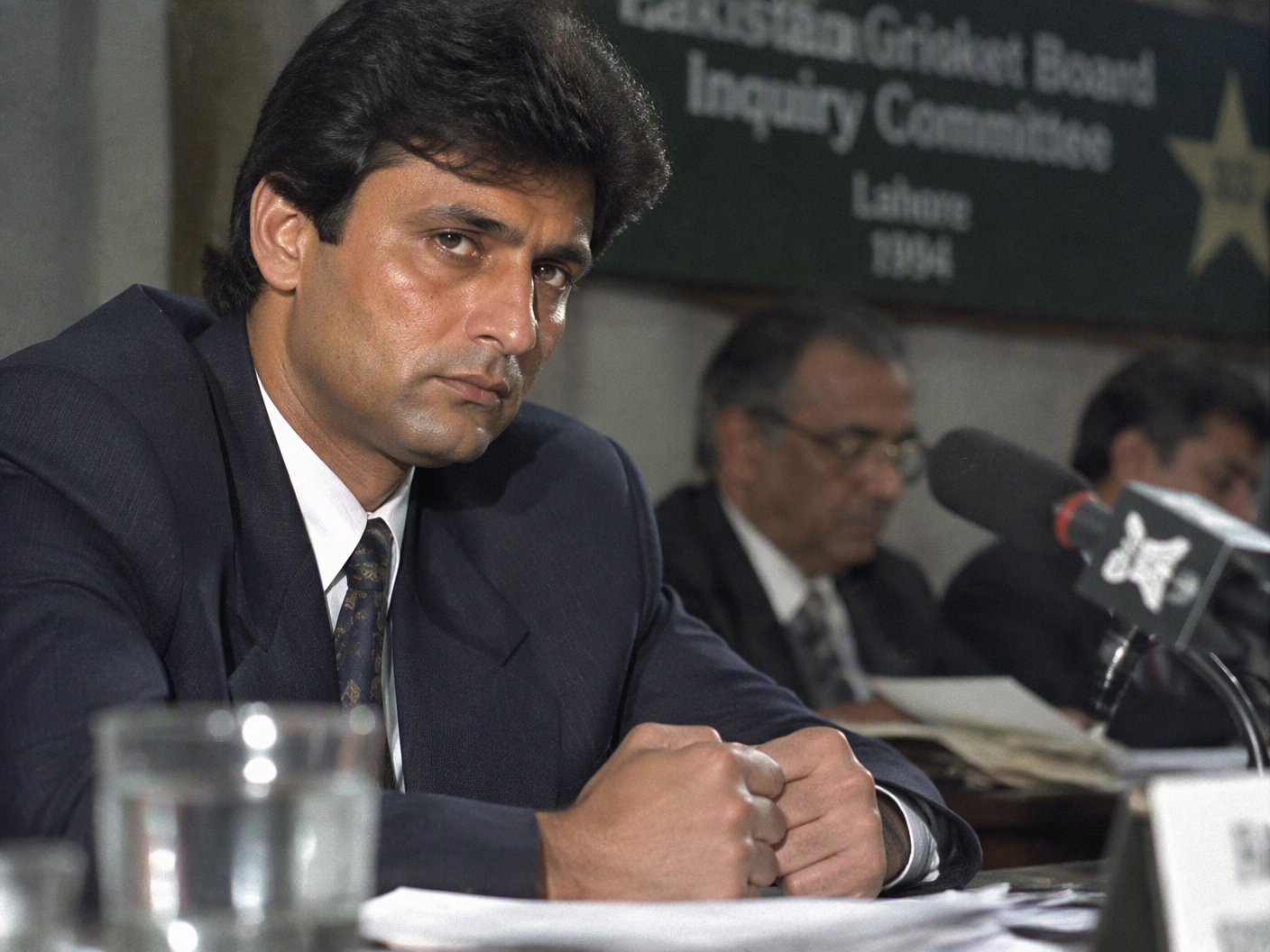
The commission said it had no legislation or rules on match-fixing and had to start from scratch. It heard evidence from about 70 witnesses over more than 40 hearings in Lahore. It also said accused players were allowed to cross-examine witnesses and that some witnesses were recalled at their request. Those details defined the commission’s stated procedure as it assembled a record around allegations that had previously produced confusion and competing institutional responses.
The Qayyum report was completed in October 1999 and published on May 23, 2000. It found Salim Malik guilty of match-fixing and recommended a life ban for him. The conclusion gave formal force to an allegation first described through the testimony of two Australian players: what began with a reported offer in a Karachi hotel room ended in a commission finding and a recommended lifetime exclusion from cricket.
Investigative Dossier & Evidence
Read the companion investigation notes, verified source claims, and primary documents.
Read the Companion Notes & Evidence Record →